Mastering Content Gaps for Effective SEO in WordPress

Content Gaps matters because modern search visibility is rarely won by a single plugin setting, one rewritten title, or a checklist copied from another site. Experienced SEO teams know that sustainable results come from joining search intent, page structure, internal authority, technical clarity, and editorial quality into one operating system. This data-driven approach focuses on content gap analysis and opportunity prioritization and explains how to make the work practical for WordPress sites that already have real content, real constraints, and a backlog of pages waiting for improvement.
The first step is to define the business problem behind the SEO task. A page may have weak rankings because its title does not match the query, because competing pages divide relevance, because the content is too thin, because Google cannot understand the entity relationships, or because internal links fail to show which page deserves authority. Treating every URL the same creates busywork. Treating each URL according to missing pages, wrong intent, and measured opportunity creates a workflow that can be prioritized, reviewed, and improved over time.
For professional teams, the useful question is not whether AI can write a suggestion, but whether the suggestion can be inspected, adapted, and safely applied. SeoVia’s product philosophy is built around that distinction: the system analyzes posts, pages, and WooCommerce products, proposes improvements, shows score movement, and leaves the final publishing decision with the site owner. That approval layer is especially important when optimizing commercial pages, regulated niches, brand-sensitive messaging, or large archives where a careless bulk change could create a bigger problem than the one it tries to solve.
A strong content gap analysis and opportunity prioritization process starts with inventory. Collect the relevant URLs, identify their post type, map target keywords, review existing titles and meta descriptions, and compare current performance signals such as impressions, clicks, click-through rate, average position, and index status. Once the inventory is visible, patterns become easier to recognize. You may find clusters with strong impressions but weak CTR, orphan posts with no incoming links, product pages missing structured data, or evergreen guides that deserve a deeper FAQ section.
Search intent should guide every edit. If the query is informational, the page needs depth, definitions, examples, comparisons, and a clear next step. If the query is commercial, the page needs trust signals, product details, use cases, and structured data that helps search engines understand price, availability, and relevance. If the query is local or service-based, the content needs a sharper explanation of audience, location, pain point, and proof. A good optimization workflow respects those differences instead of forcing the same paragraph pattern into every page.
Internal structure is where many otherwise good articles lose momentum. Headings should make the argument scannable, tables should simplify comparisons, FAQ blocks should answer real follow-up questions, and links should point readers toward the next useful resource. In a WordPress environment, this is also where automation becomes valuable: a team can review suggested sections, meta tags, schema, images, categories, and tags from one interface rather than jumping between editor screens, SEO plugins, spreadsheets, and analytics reports.
The technical layer is equally important. Metadata affects how the result is presented in search, canonical signals help avoid duplicate or competing pages, structured data can qualify a page for richer presentation, and image alt text gives both accessibility and topical context. None of these elements should be treated as decoration. They are small signals individually, but across hundreds of posts they can create a measurable difference in crawl clarity, user engagement, and editorial consistency.
When scaling this work, build a review queue around impact rather than convenience. Prioritize pages that are close to page-one visibility, pages with high impressions and low clicks, pages that already convert, and pages that support important product or service categories. SeoVia’s Search Console-oriented workflow is useful here because it can turn query data into opportunity types such as striking distance, low CTR, untapped searches, declining queries, content gaps, and cannibalization candidates. Those classifications help an SEO lead decide what to fix first.
Quality control should stay visible throughout the process. Before applying a suggestion, compare the original and proposed SEO score, inspect the rendered content, check the search preview, and confirm that the change supports the page’s actual purpose. For schema, verify that the page contains the facts being marked up; for categories and tags, confirm that the taxonomy choice improves topical organization; for generated images, review whether the caption and alt text describe the page rather than stuffing keywords. Reversible changes make experimentation easier, but disciplined review still matters.
In the dynamic landscape of online marketing, understanding content gaps is crucial for effective SEO strategies. This extended section focuses on actionable insights and best practices for SEO professionals, aiming to refine their approach to content gap analysis and optimization.
Understanding Content Gaps
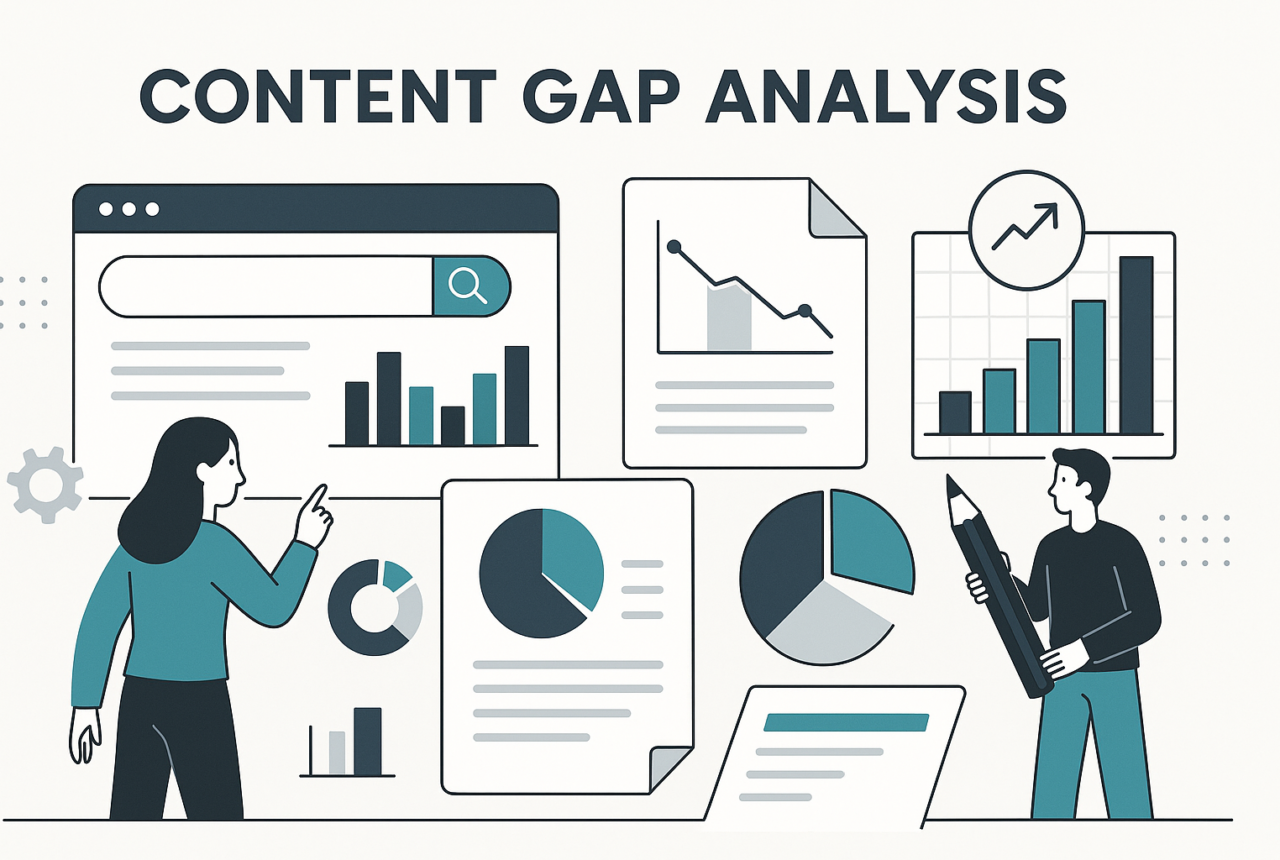
Content gaps refer to the areas where your website fails to address relevant queries that your target audience is searching for. Identifying these gaps is essential as it can lead to increased visibility and engagement. Utilizing tools like Keyword Research can aid in discovering what your audience is looking for. Here are some tips to understand content gaps:
- Analyze competitor content to see what they cover that you don’t.
- Use SEO tools to find high-volume keywords that are relevant to your niche.
- Review user feedback and questions to understand their pain points.
Conducting a Content Gap Analysis
The next step in this process is to conduct a thorough content gap analysis. This involves assessing your existing content and determining where it falls short. For effective analysis, consider leveraging Content Gaps Mistakes to Avoid for SEO Professionals. A well-structured analysis should include:
- A review of your site’s current performance metrics.
- Keyword mapping to identify underperforming pages.
- Comparative analysis against competitors’ successful content.
Implementing Actionable Strategies
Once content gaps are identified, the next phase is to develop actionable strategies to fill these gaps. This involves several key steps, such as improving on-page SEO elements, enhancing content depth, and ensuring that metadata is optimized. For example, it is crucial to ensure that the Metadata you use to describe your pages clearly aligns with target keywords. Here are some strategies to implement:
- Revise underperforming content, making sure it meets keyword intent and includes added value.
- Utilize structured data to improve the visibility of your pages.
- Engage with users by providing comprehensive answers to common queries.
This structured approach to understanding and addressing content gaps enables SEO professionals to leverage current trends and user needs effectively. By continuously iterating on this process, you will not only enhance user experience but also establish your website as an authoritative source in your niche.
For more insights on managing content effectively, refer to Content Gaps Complete Guide for SEO Professionals, and explore Content Strategy for further strategies on enhancing your SEO efforts.
FAQ
What are content gaps in SEO?
Content gaps in SEO refer to the topics or keywords that are relevant to your audience but are currently not covered on your website. Identifying these gaps helps improve your visibility and engagement.
How can I identify content gaps?
You can identify content gaps by conducting competitor analysis, leveraging tools for keyword research, and reviewing audience feedback to discover what topics are missing.
Why is it important to fill content gaps?
Filling content gaps is vital for enhancing user experience, increasing search visibility, and establishing authority in your niche. It helps attract more organic traffic to your site.
What strategies can I use to fill content gaps?
Strategies include optimizing existing content for target keywords, creating new articles on relevant topics, enhancing metadata, and utilizing structured data to improve content visibility.
How can AI assist in identifying content gaps?
AI tools can analyze existing content, suggest improvements, and identify gaps based on trending searches and competitive analysis, helping to streamline your SEO strategy.
What role does metadata play in SEO?
Metadata, including title tags and meta descriptions, helps search engines understand the content of your pages, influencing click-through rates and overall search visibility.
Can a content gap analysis improve my website’s performance?
Yes, performing a content gap analysis allows you to align your content with what users are actually searching for, ultimately improving your website’s performance and conversion rates.
This table illustrates the key phases and elements involved in conducting a content gap analysis, providing a structured overview.
| Phase | Task | Tools | Outcome |
|---|---|---|---|
| Identification | Analyze existing content | SEO Tools, Google Analytics | List of content gaps identified |
| Analysis | Comparative analysis of competitors | Competitive analysis tools | Insights on competitors’ strengths |
| Implementation | Revise content for gaps | Content management tools | Improved content relevance |
| Review | Measure performance post-update | Analytics tools | Data on traffic and engagement |
Teams that want to apply this kind of optimization across many WordPress posts can use AI content gap discovery to connect analysis, suggestions, bulk application, Search Console insights, internal-link mapping, schema generation, metadata improvements, and AI-assisted content workflows in one place. The practical advantage is not replacing SEO judgment; it is removing the repetitive mechanical work that prevents experienced specialists from spending enough time on prioritization, strategy, and quality.
The final measurement step is to compare before-and-after performance. Look at CTR lift after metadata changes, ranking movement after content expansion, extra clicks after internal-link updates, and index behavior after technical fixes. A serious SEO program needs that feedback loop because not every recommendation will perform equally across industries, page types, or query intents. The more consistently you measure, the easier it becomes to turn thin content, semantic matching, and priority scoring into a repeatable growth system rather than a one-time cleanup project.
For implementation, document the rules that worked: which pages get analyzed first, when a human editor must rewrite AI suggestions, which schema types are allowed, how anchors are chosen, how product pages differ from articles, and how old optimizations are reverted if they underperform. That documentation turns individual SEO wins into an organizational capability. Over time, the team becomes faster, the content library becomes easier to maintain, and the site develops a clearer topical structure for both users and search engines.